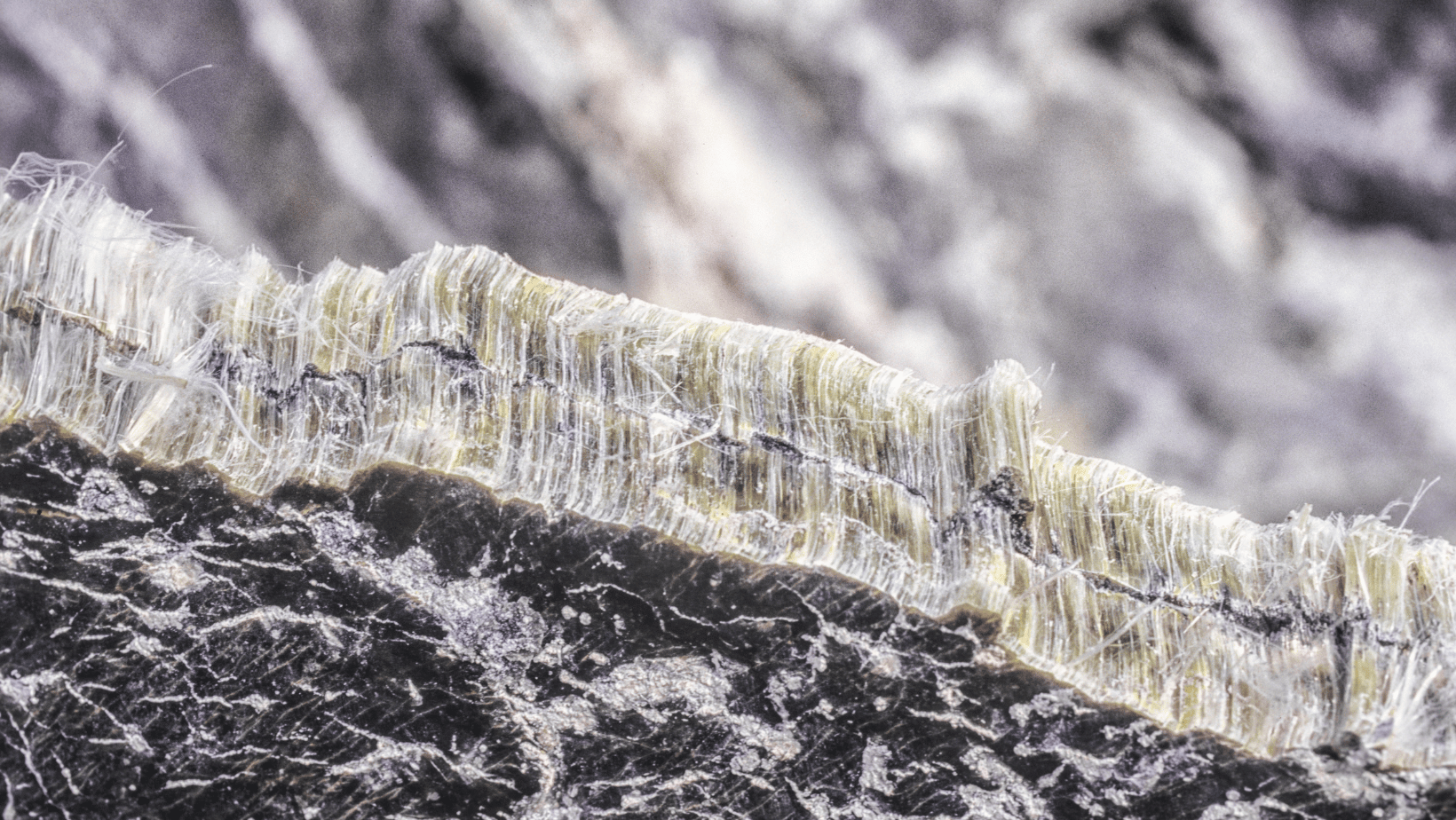
Global Asbestos Awareness Week highlights the dangers of asbestos and the importance of continued awareness, regulation and legal accountability. Taking place from 1–7 April 2026, this week serves as a reminder that, despite widespread regulation, asbestos remains a serious public health concern across the UK and globally.
The Widespread Use of Asbestos
Asbestos was once considered a “miracle material” due to its durability, resistance to heat and fire, and insulating properties. Throughout much of the 20th century, it was widely used across multiple industries in the UK. Although the use of asbestos was banned in the UK in 1999, its legacy persists in many buildings and products still in existence today.
Common Uses in Construction
The construction sector was the largest user of asbestos-containing materials (ACMs), particularly between the 1950s and 1980s. As a result, many properties still contain asbestos in various forms, including:
- Insulation boards used in walls, ceilings, and partitioning
- Pipe lagging and boiler insulation
- Textured coatings such as Artex
- Roofing materials, including cement sheets and tiles
- Floor tiles and adhesives
- Fireproofing materials
These materials were often integrated into the structure of buildings, meaning asbestos may still be present and undisturbed until renovation, maintenance, or damage occurs.
Industrial and Commercial Use
Beyond construction, asbestos was used extensively in:
- Shipbuilding and maritime industries for fireproofing and insulation
- Automotive manufacturing, particularly in brake pads and clutches
- Power stations and heavy industry
- Railways and engineering sectors
Workers in these industries were often exposed to high levels of asbestos fibres, frequently without adequate protective measures or awareness of the risks.
Use in Consumer Products
Asbestos was also present in a range of everyday products, including:
- Domestic appliances such as older heaters and irons
- Fire blankets
- Cement garden products and outbuildings
- Certain paints, sealants, and adhesives
While many of these uses are now banned, older items may still pose a risk if disturbed or damaged.
Why Asbestos is Dangerous
The danger of asbestos lies in its microscopic fibres. When ACMs are disturbed, these fibres can become airborne and easily inhaled. Once inside the lungs, they can remain there permanently.
Exposure can lead to serious and sometimes fatal diseases, including:
- Mesothelioma – an aggressive cancer affecting the lining of the lungs or abdomen. This disease is almost always fatal with a 12-to-18-month average life expectancy following diagnosis.
- Asbestosis – a progressive condition causing scarring of lung tissue and breathing difficulties.
- Lung cancer – Asbestos exposure can cause all types of lung cancer and can be fatal.
These conditions often have a long latency period, meaning symptoms may not appear until decades after exposure.
The Legal Framework and Liability
Employers, landlords, and those responsible for premises owe a duty of care to protect individuals from foreseeable risks, including asbestos exposure, under common law and health and safety legislation.
A breach of duty occurs where reasonable steps are not taken, such as failing to identify asbestos, carry out risk assessments, or implement appropriate safety measures, training, and warnings.
To pursue a claim, it must be established that the breach caused or materially contributed to the illness. In mesothelioma cases, it is sufficient to demonstrate that the exposure materially increased the risk of developing the disease.
In mesothelioma cases, where exposure involves multiple parties, liability may be shared. However, claimants may recover full compensation from any one defendant, who may then seek contributions from others.
How Pinney Talfourd Can Help
We regularly act for individuals and families affected by asbestos-related diseases arising from negligent exposure, including unsafe working conditions and inadequate risk management.
If you have been exposed to asbestos or received a diagnosis, early legal advice can help you understand your rights and secure the compensation and support you may be entitled to.
To discuss your situation with our team, please contact our team on 01708 511 000.
The above is meant to be only advice and is correct as of the time of posting. This article was written by Olivia-Scarlett McKelvey, Trainee Solicitor in the Personal Injury team at Pinney Talfourd LLP Solicitors. The contents of this article are for the purposes of general awareness only. They do not purport to constitute legal or professional advice. Specific legal advice should be taken on each individual matter. This article is based on the law as of April 2026.