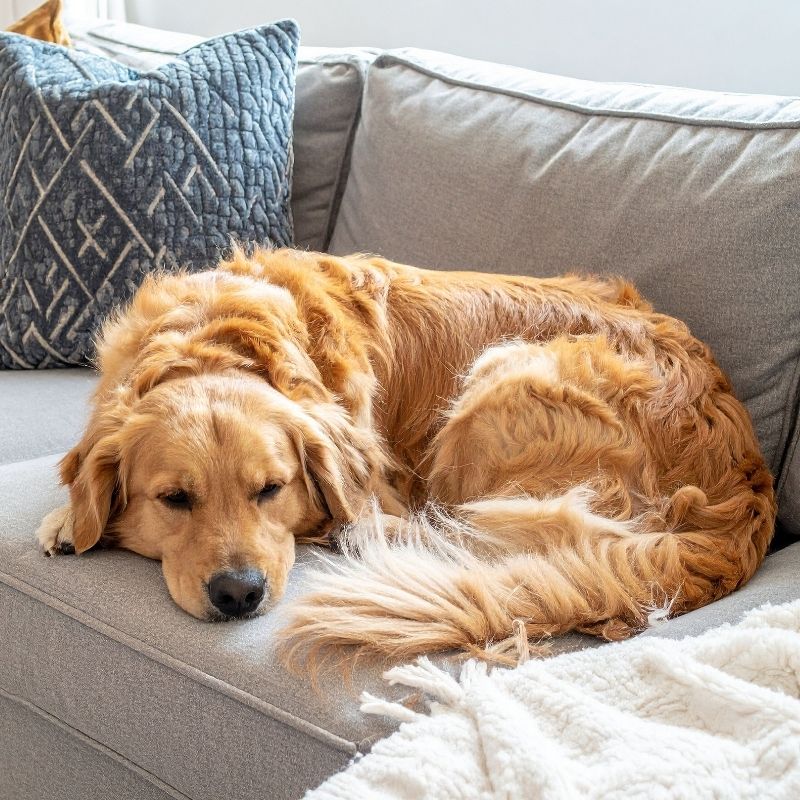
With times changing, one thing we have seen in family law is the growing importance of family pets, and the worries about what will happen to their beloved pet in the course of a divorce.
Family law has developed substantially over the years about the rights of parents, children, financial needs – but one thing that hasn’t really caught up is the treatment of pets, especially in the Family law sphere.
What does the law say at the moment?
The Matrimonial Causes Act 1973 (MCA) covers a number of orders the Court is empowered to make regarding the finances. At section 24 of the MCA, the Court can make ‘property adjustment orders’. Property can refer to homes (i.e. buildings), but it can also refer to personal property and chattels. A chattel is a tangible, movable item.
Pets, at this present time, are still defined in law as chattels or personal belongings of the person who owns them.
It is difficult to think of your treasured pet as a personal belonging, and a lot of families find it hard to come to terms with this when going through the process of divorce. Pets are part and parcel of families now.
The Court is bound to achieve a fair outcome in all the circumstances within a divorce. Lawyers have been reminded by the Court that it is important to tackle the matter of identifying and dividing chattels at the earliest opportunity in a divorce, to avoid expensive litigation later down the line. This applies to pets too, and therefore discussions need to take place at the earliest opportunity about who may take care of the family pet moving forwards.
However, there can be dispute about who paid for the pet; who pays for their needs; who cares for them. The Court was faced with such a question in the case of FI v DO [2024] EWFC 384 (B). The Court had to carefully such questions to determine who the family dog should stay with. The Court held that the important question that underlies the decision is who primarily takes care of the dog, following the separation of the parties (in that case)? The Court found that in that matter, the wife was the person who was primarily caring for the dog, and therefore it was important to note who the dog would see as its primary carer. The Court was therefore able to show compassionate reasoning as to what would happen if the dog’s care arrangements were disrupted, as well as what impact it would have on the children of the family who lived with the wife.
What now?
FI v DO is a positive step forward, but it is noted that the law is still not fully up to speed with the treatment of a family pet on divorce. At the moment, it is clear that Family law on this aspect will be developed on a case by case basis until such time the law is updated by Parliament to confirm the position on this issue. It is therefore even more important to have early discussions to avoid lengthy disputes further down the line about your beloved pet.
How Pinney Talfourd can help
If you would like to find out more information about a pet-nup or if you are struggling to reach an agreement in respect of arrangements for your pet following separation, please contact a member of our Family Law team on 0800 011 1195 and we will be happy to assist.
More information
Feel free to contact our marketing team on 01708 229 444 or email