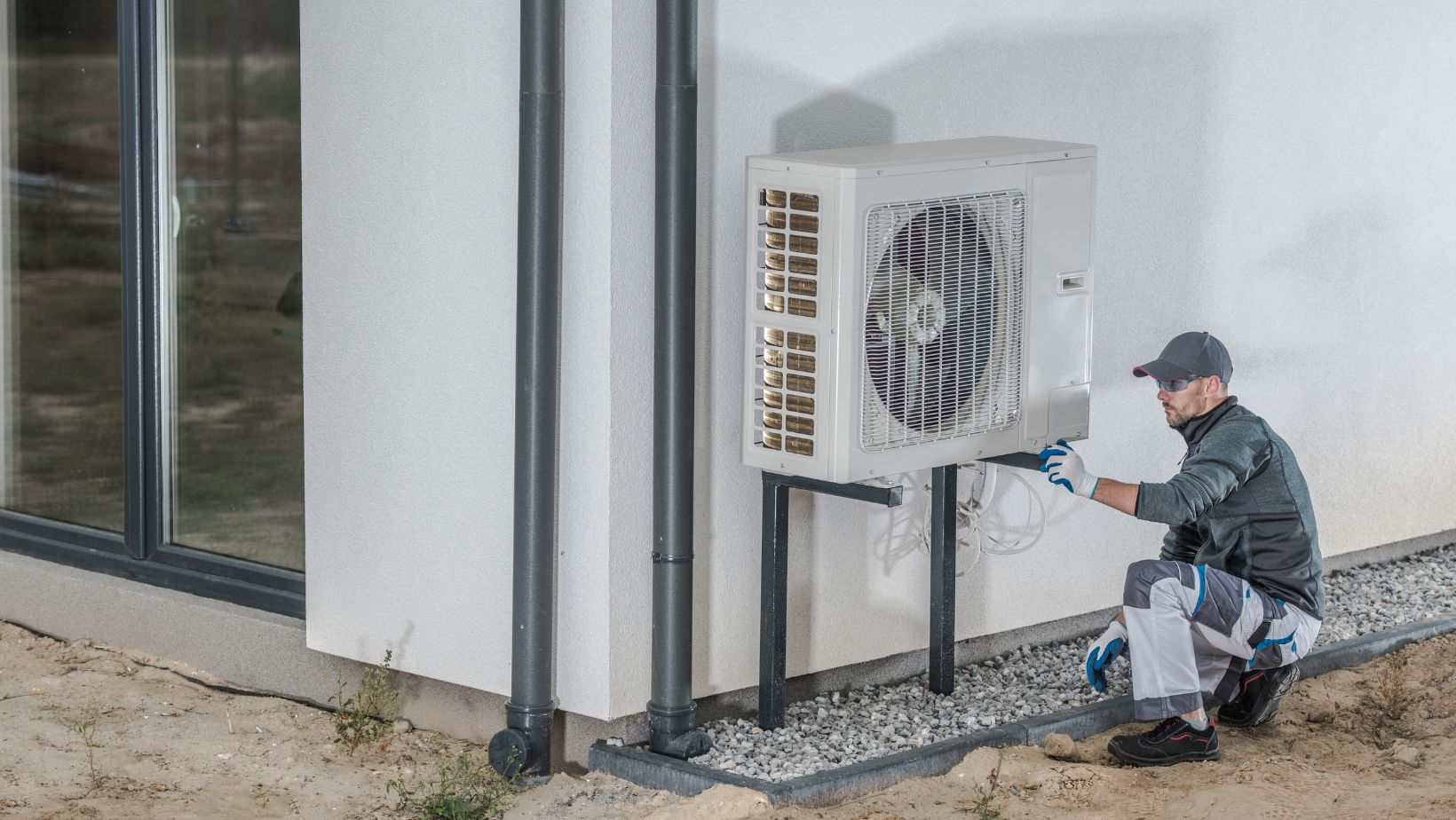
Air source heat pumps are becoming an increasingly popular choice for residential heating due to their energy efficiency and low carbon emissions. There are three main types of heat pumps, classified by their heat source: air, ground (geothermal), and water.
Air source heat pumps extract heat from the outside air and transfer it into a property’s heating and hot water systems. This process is powered by a refrigerant cycle that functions effectively even in colder temperatures. These systems can also operate in reverse to provide cooling during warmer months. They are often referred to as air-to-water heat pumps.
Do Air Source Heat Pumps Require Planning Permission?
Since 1 December 2011, the installation of an air source heat pump in a domestic setting has been classed as permitted development, meaning planning permission is not usually required. However, this exemption only applies if specific conditions are met.
If you’re buying a property with an existing air source heat pump, we will raise enquiries with the seller’s solicitors to ensure the installation complies with permitted development rights. Key considerations include:
- Certification – Evidence that the installation complies with the Microgeneration Certification Scheme Planning Standards (MCS 020) or an equivalent recognised standard.
- Size Restrictions – The external compressor unit (including its housing) must not exceed 0.6 cubic metres in volume.
- Single Installation – Only one air source heat pump may be installed. If the property already has a wind turbine or another heat pump, planning permission is likely to be required.
- Setback from Boundaries – All parts of the installation must be at least one metre from the property boundary.
- Roof Installations – The pump must not be installed on a pitched roof. On flat roofs, all components must be at least one metre from the roof’s external edge.
- Heritage Sites – The pump must not be within the curtilage of a listed building or scheduled monument.
- Conservation and World Heritage Areas – In these areas, installations must not be sited on a wall or roof that fronts a highway or placed closer to a highway than the building itself.
- Elevated Positioning – Outside heritage areas, if the property fronts a highway, the pump must be installed above ground-floor level.
- Use – The system must be used solely for heating purposes.
- Decommissioning – If the pump is no longer in use, it should be removed as soon as reasonably practicable.
- Visual Impact – The installation should, as far as practicable, minimise visual impact and avoid adverse effects on neighbouring properties.
If the installation does not meet these criteria, we will request evidence that planning permission was obtained.
It is also important to note that permitted development rights can be withdrawn by the Local Planning Authority through an Article 4 Direction or by conditions attached to previous planning consents. In such cases, a full planning application may be required, regardless of the criteria above.
Conclusion
Air source heat pumps offer a sustainable, energy-efficient way to heat (and cool) homes – but they do come with specific legal and planning considerations. Ensuring that any installation complies with both permitted development rules and local planning requirements is crucial.
If you’re buying or selling a property with renewable energy systems in place, inform your solicitor as early as possible. This allows for the necessary enquiries to be raised and ensures that documentation is in order – helping to avoid complications during the transaction or issues further down the line.
More information
Feel free to contact our marketing team on 01708 229 444 or email